
Logic Is The Study Of Reasoning And Argument Part 2
Every driver knows the frustration of a warning light appearing out of nowhere. At XoomParts we believe that maintaining a car, truck, or motorcycle should be straightforward: quality parts, clear guidance, and fair prices.
In this guide we break down what to know before ordering replacement components online — from checking fitment and OEM part numbers to choosing between genuine, OEM, and aftermarket options.
Whether you are a weekend DIYer or a professional technician, a few minutes of research up front saves hours under the hood later.
The right part installed at the right time is the cheapest repair you will ever make. Fitment knowledge beats horsepower every day of the week.
Ryan Ford
Checking Fitment Before You Order
Start with your vehicle identification number (VIN) - it encodes the trim, engine, and drivetrain details that determine which parts bolt on correctly. Whenever possible, cross-reference the OEM part number printed on the component you are replacing.
If a listing shows several compatible vehicles, double-check the production-date range: mid-year changes to brakes, sensors, and electronics are more common than most owners expect.
Related reading: OEM versus aftermarket parts: which is right for your build
When your order arrives, unpack it over a blanket and compare the new part side-by-side with the old one. Matching mounting points, connectors, and gasket surfaces takes seconds and prevents most returns.
Keep the packaging until installation is complete - it makes warranty claims painless if anything does not fit.
Installation Tips From Our Technicians
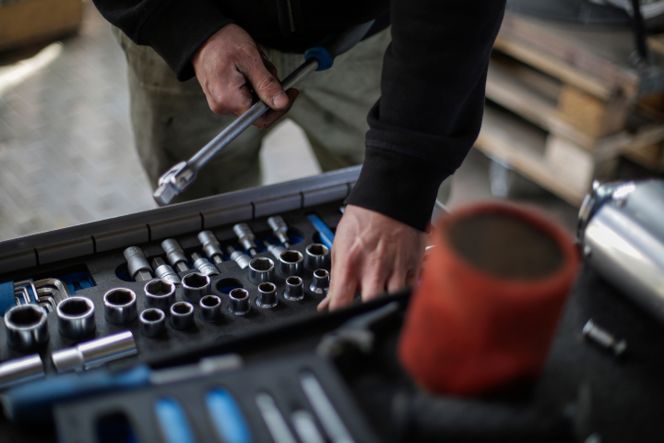
A successful repair is mostly preparation. Gather the right tools, protect the interior, and give yourself more time than the job supposedly takes.
A few habits separate a smooth install from a frustrating afternoon:
- Work safe first. Disconnect the battery, chock the wheels, and let hot components cool before starting.
- Photograph everything. Pictures of the original assembly make reassembly and troubleshooting far easier.
- Torque to spec. A torque wrench costs less than a stripped thread or a warped brake rotor.
Still unsure about a step? Send our support team photos of your setup and we will walk you through it.


Comments (4)
 Ordered a set of ceramic brake pads on Monday and they were on the car by Thursday. The fitment matched perfectly - thanks for the fast shipping!
 Same experience here - the fitment guide on the product page saved me from ordering the wrong rotors. Highly recommend reading it first.
 Quick question: does this part ship with the mounting hardware included, or does that need to be ordered separately?
- 1
- 2(current)
- 3
- 4
- 9
Write A Comment


Your cart is empty.